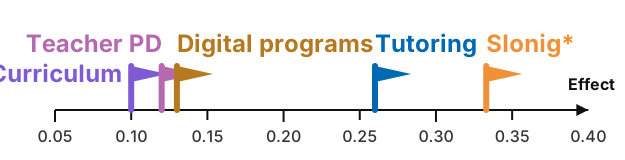
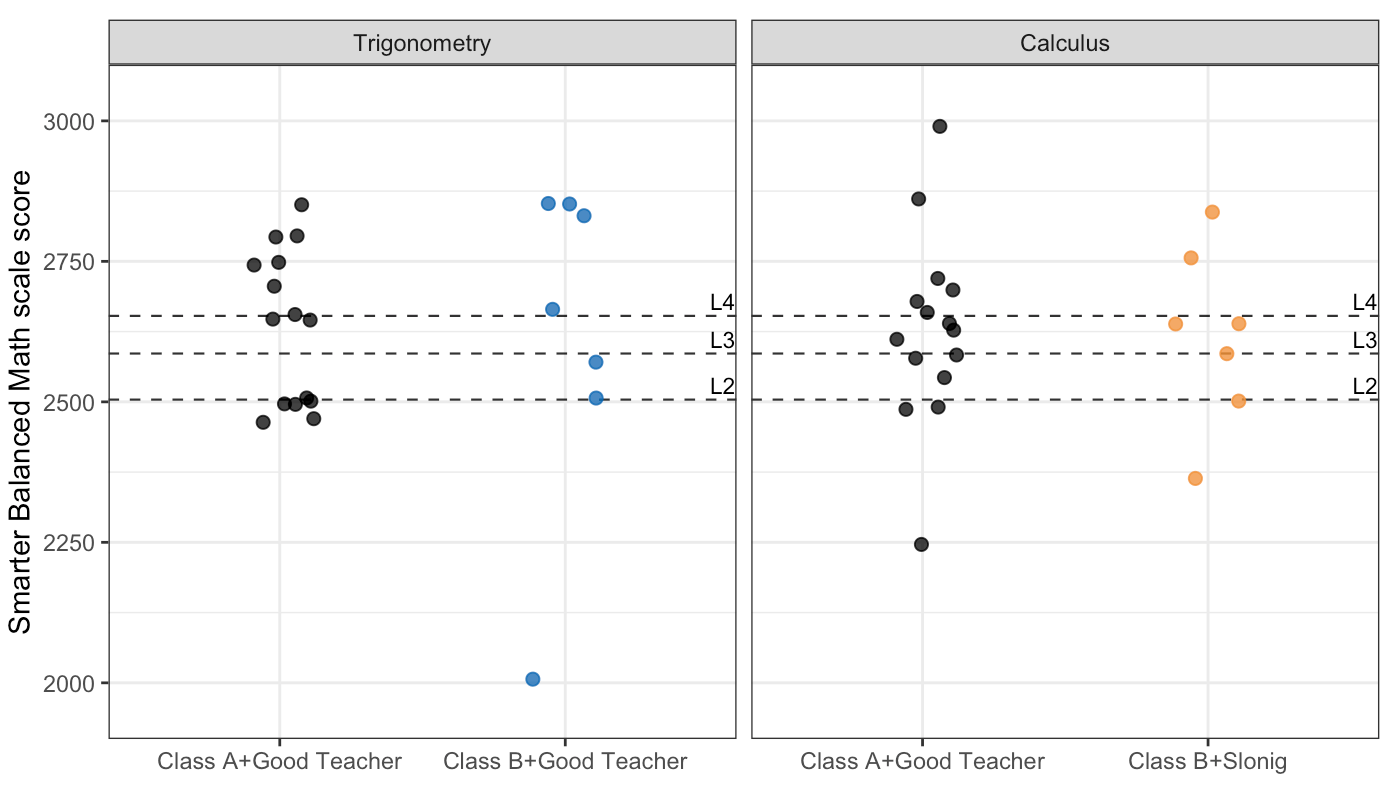
Math achievement shouldn’t mirror family income, so we discovered a method that gets schools above 70% proficiency — without relying on “star” teachers or wealthy parents.
Before, teachers were expected to differentiate instruction with barely any time to breathe.
Now Slonig organizes students to support each other’s differentiated learning, saving teachers up to 80% of their time.

Bilingual clarity: Classmates can explain ideas in a student’s first language when needed—so concepts click faster and misconceptions drop.
Speak math with confidence: Students practice math vocabulary out loud using Slonig’s sentence starters, hints, and examples—building fluent “math English.”
“I could talk with my favorite classmates, everything somehow sticks in memory more easily.”
Student, 10th grade
“As opposed to many apps which foster interaction and engagement with the technology itself, Slonig fosters interaction and engagement between the learners themselves. As such, this app can help create learner-centered classrooms where learners learn from each other as they take turns adopting the roles of tutor and learner.”
Lee Mackenzie, Senior Lecturer in Education, Liverpool Hope University
Start small: Run Slonig as math centers—two same-level students, guided by Slonig.
Scale fast: Add more centers as you see results.
Go all-in: Make paired learning the default for everyone—and finally breathe.
Ditch the busywork: Skip textbooks and worksheets—Slonig teaches, checks, and prevents cheating.

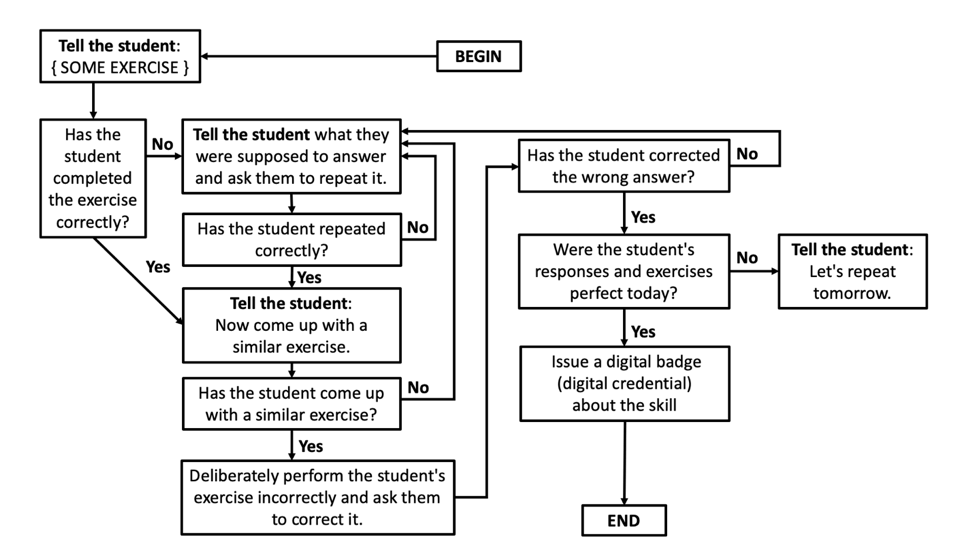
During the first lesson, Slonig trains students on how to help their classmates.

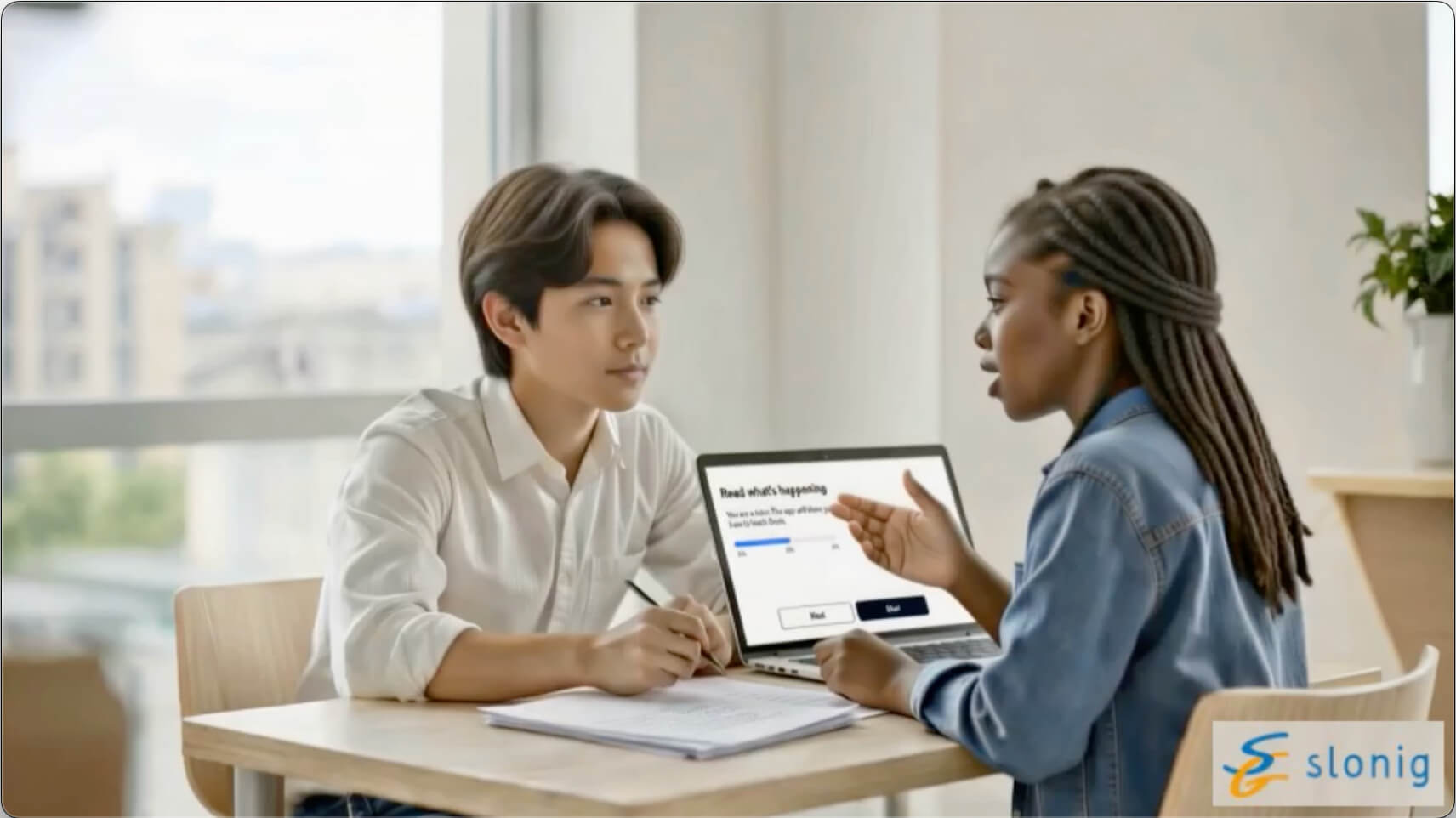
Students work in pairs and use instant hints from Slonig on how to teach math more effectively. Both students are allowed to start with no prior knowledge of the skill they’re practicing.

Every 15 minutes, students switch partners and roles—if they were teaching, they begin learning.

“Most of the time, students worked on their own. I just observed—and I was surprised they actually learned.”
Kate, high school math teacher
Pair work all lesson: Students spend 100% of lesson time working in pairs—no lectures.
No “smart kid” required: Both students in a pair can start from zero and still reach mastery—no high achiever needed.
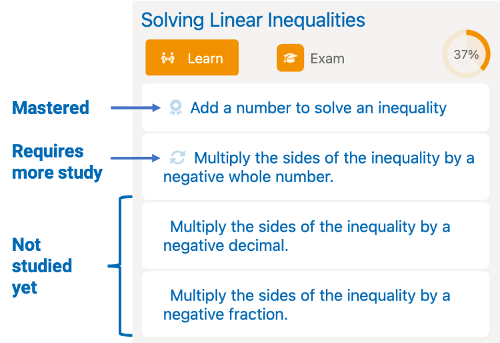
Classroom organization is automated: The platform handles new-skill introduction, partner switches, quality checks, exit tickets, and even homework—so the teacher can simply rely on it.
Teacher workload goes down: Technology finally reduces teacher workload instead of adding more busywork.
“Peer learning is an essential mode of learning in school settings and beyond. Yet, it is also a process that is unwieldy to manage for teachers, given that multiple pairs of students may be working in parallel and structure can be hard to maintain. As part of the Teaching Clinic cohort of the Winter Semester 2025 at the University of Vienna, we have evaluated peer learning processes structured by the App Slonig and we found it to provide the necessary scaffolding for students to approach peer learning in a more structured environment (and lessen the load for the teacher).”
Dominik E. Froehlich, Associate Professor, Centre for Teacher Education, University of Vienna
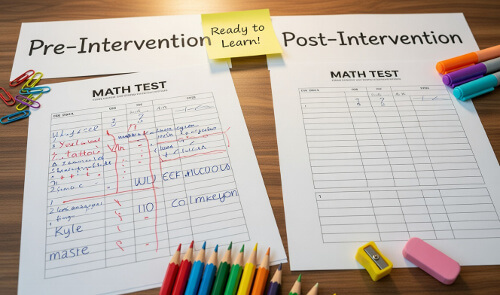
“I’ve never seen anything similar to Slonig. Data looks fabulous!”
Brenton DeFlitch, Principal, Wonderful College Prep Academy, CA
Avoided costs: $75K–$148K in staffing time saved
Net annual savings: $60K–$133K saved per school
Break-even point: 2 months to recover investment
Money-back guarantee: Full refund if targets aren’t met

Join Newsletter